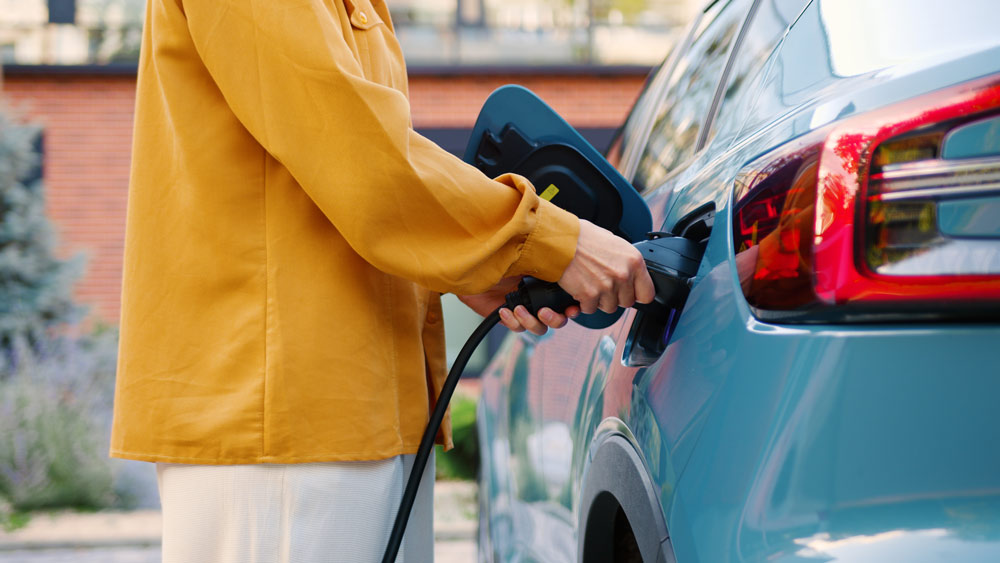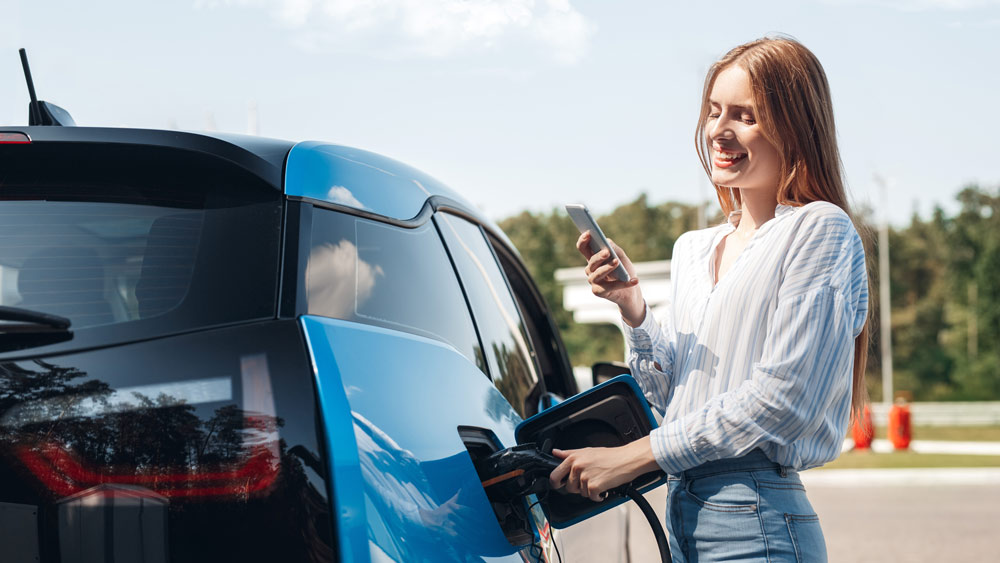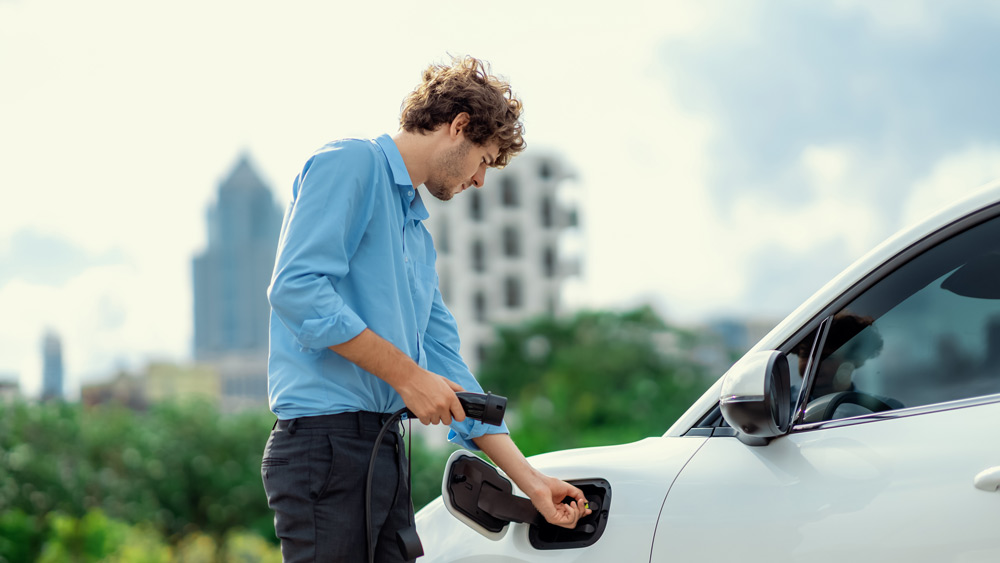

Having EV chargers at your property gives drivers a place to charge, but it doesn’t guarantee that those chargers will be available when they need them. Stations can be functional but effectively unavailable if drivers simply cannot access them. Drivers’ access to chargers can be restricted for several reasons, the most common being a non-EV occupying the space, a vehicle remaining plugged in long after its session ends, or someone outside the intended user group utilizing the station.
Let’s look at a few methods property owners can use to increase access at their property and support drivers’ needs.
Control Who Can Use Chargers
Restricting access to a subgroup of drivers can ensure stations are available and ready when those drivers need them. You can restrict access in a few ways; the right approach depends on the property. Let’s look at the two main restriction types below.
Physical Barriers
Physically restricting the area with gates, passcodes, or other obstructions can ensure only designated drivers can access the stations. This approach can make sense when the entire parking area is designated for residents, employees, or another predefined group.
Digital Barriers
Digital restrictions can ensure only authorized drivers can charge at specific stations. Many EV charging platforms, including Chargie, allow property owners to remotely dedicate stations to specific drivers, or even a single user.
Keep Cars Rotating After Completing Their Charge
Once a car finishes charging, the next challenge is getting it to move quickly so another driver can use the station. This matters more at properties with shared chargers, where one driver hogging the station can prevent another from getting the charge they need.
One way to encourage turnover is through idle or overstay fees. These improve turnover by fining drivers who stay plugged in after their session ends. If a property uses this method, it should clearly communicate it to drivers through signage, in-app messaging, or other notifications to prevent drivers from receiving unexpected charges. Properties may also offer grace periods, which are defined time periods from when the charge has ended to when the driver must move their vehicle. The optimal grace period and idle fee conditions will vary by property.
Prevent Non-Charging Vehicles from Blocking Stations
Stations also become unavailable when a vehicle that is not actively charging blocks them. This may be an internal combustion engine (ICE) vehicle parked in an EV-designated spot, or an EV parked in a spot with a station without actively charging. Either way, when a station is blocked and not being used, it becomes unavailable to drivers who actually need to charge.
To prevent this, clear signage and communication can help drivers understand which spaces are designated for EV charging, who can park there, if charging is required, how long vehicles can remain parked, and consequences for not complying. Properties may also establish parking enforcement policies for vehicles that repeatedly block charging stations, as they see fit.
Make Charger Rules Clear
Considering everything from above, properties must clearly and consistently define rules for how chargers and their associated parking spaces can be used. Access restrictions, idle fees, assigned chargers, and parking policies are ineffective when drivers don’t know about them. Property owners can clearly communicate these rules to drivers through clear signage, digital communications, and within charging apps.
If your stations are available but aren’t seeing the usage you’d like, explore a few ways you can increase utilization in our recent blog article: How to Increase EV Charger Utilization at Your Property
Chargie Can Help Partners Keep Stations Available
Our experienced team helps property owners optimize their charging networks with accessibility plans tailored to their property and driver base’s needs. If you’d like to learn more, connect with one of our EV charging experts today.