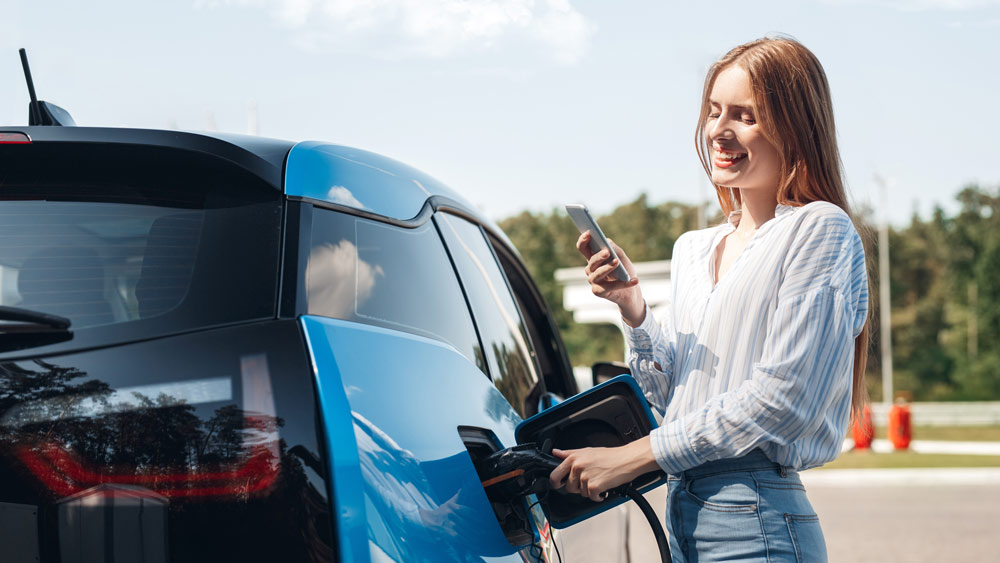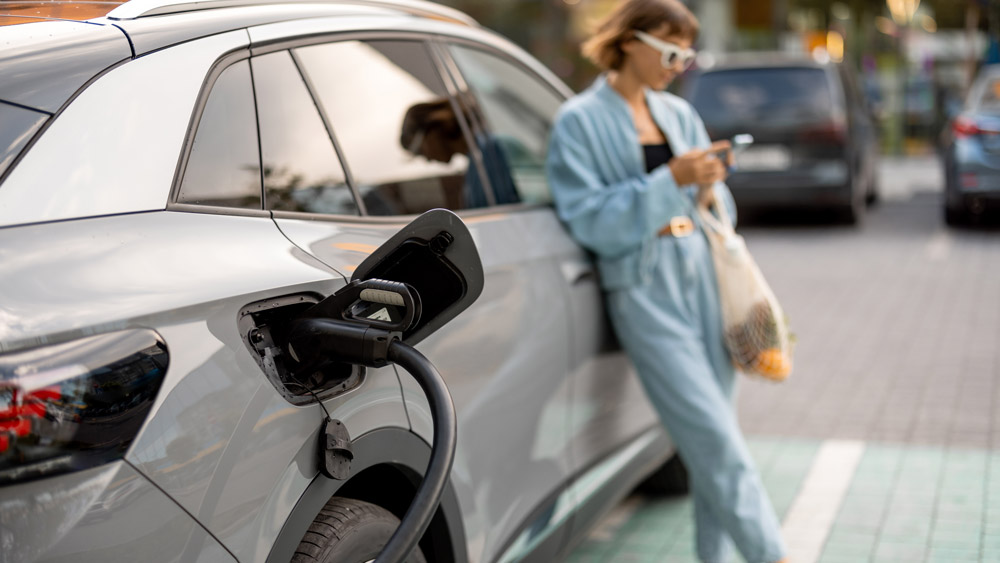

The Department of Energy reports that about 80% of charging happens at home, but many multifamily residents still lack reliable access to home charging. Without convenient home charging, electric vehicle (EV) ownership can feel impractical and out of reach, and for those who already drive electric, it can interrupt daily life. EV charger installations at multifamily properties, when done right, can open the door to EV adoption for many and drastically improve the lives of existing EV owners.
Before installing EV chargers or upgrading existing ones, multifamily property owners need to consider these four resident expectations to guarantee a successful installation.
Reliability Over Speed
Residents charging overnight need reliable stations with 99%+ uptime and dependable access more than they need the fastest available charger.
Level 2 chargers are often well suited for multifamily properties since residents remain parked for several hours at a time. Level 2 chargers typically deliver 7-19 kW, charging EVs in 4-7+ hours and plug-in hybrids (PHEVs) in 1-2 hours. DC fast chargers are usually a better fit for properties with quick driver turnover and short dwell times, such as grocery stores, shopping centers, medical facilities, and university campuses.
At Chargie, we know it is pointless to install chargers if drivers cannot count on them; that’s why we guarantee 99%+ availability.
Straightforward Turnover and Etiquette Rules
In multifamily buildings, residents should know who can use each charging station and how long vehicles can stay parked in charging spaces.
Some properties assign chargers to specific residents, while others use a first-come, first-served model. Shared stations may also include strict idle or overstay fees to encourage drivers to move their vehicles once their session is complete. Properties can enforce overstay fees through ticketing or in-app penalties. Whichever approach a property chooses, it should communicate access and etiquette rules to residents through visible signage, resident onboarding, and community messages.
Transparent Pricing
Drivers need to understand how they’ll be charged, if at all, before starting a charging session.
Some properties include charging costs in rent or charge an additional fee for station access, while others charge drivers for each charging session, similar to a public charging site. If additional fees such as parking, idle, or overstay charges apply, properties should also make them clear to residents. Regardless of which pricing model a property chooses, residents should understand exactly what they will be charged for before plugging in to deter unexpected fees and frustration.
Choosing the right pricing structure for your specific property can be complicated, but with Chargie it doesn’t have to be. We’ll evaluate your property’s needs and help develop an approach that works for both the property and its residents.
Intuitive Charging Solutions
Drivers expect charging stations that not only work but are easy to use.
There’s no reason to overcomplicate the charging process. Hardware and software should be intuitive and seamless. Clear instructions and visible support information can prevent avoidable delays and reduce the burden on property teams.
At Chargie, we believe charging an EV should be as easy as charging a phone. With the Chargie mobile app, it’s that simple. Drivers just need to plug in, scan or enter the station code, then get on with their day.
Chargie Can Help
A successful multifamily charging program should be reliable, easy to understand, and designed around residents’ parking behaviors. Chargie can help assess your property, understand current and future driver needs, and develop a charging plan tailored specifically to your site.
Contact one of our EV charging experts today to discuss your property and get started.