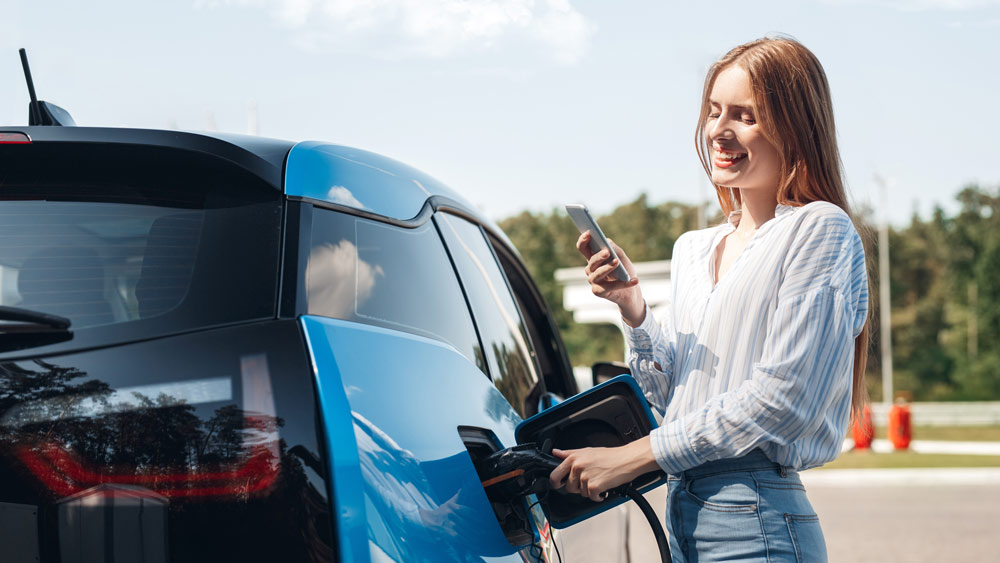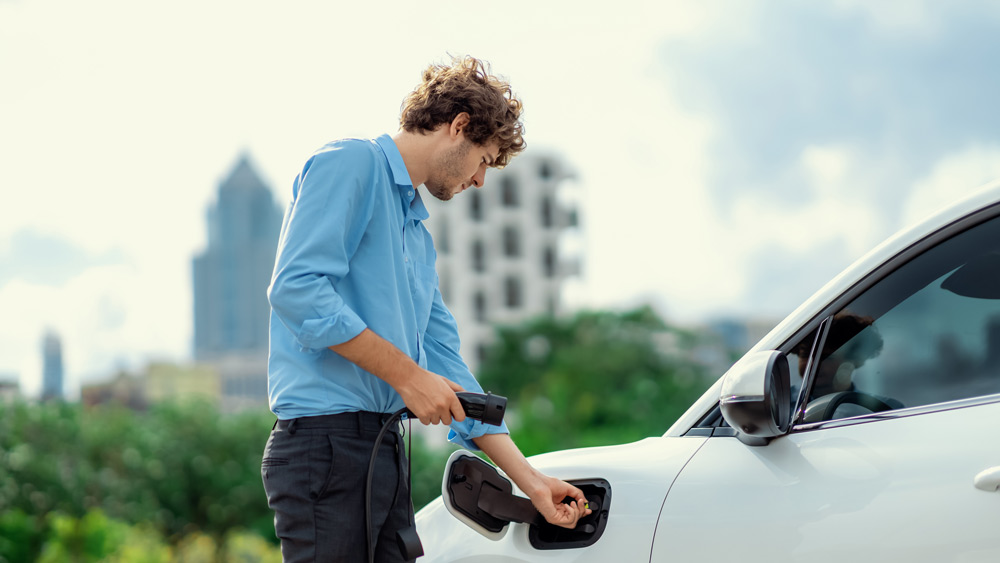

With EV ownership steadily rising across the country, property owners are increasingly investing in EV charging to enhance their properties, meet residents’ needs, and support long-term sustainability goals. In states like California, where EV adoption is especially high, local and state programs continue to invest heavily in multifamily and affordable housing charging programs, helping improve access to EV charging in underserved communities.
Why Affordable Housing Residents Need Access to Charging
For many EV drivers, home charging is the most convenient and preferred option. The Department of Energy reports that about 80% of charging occurs at home, making access to residential charging essential for EV adoption.
However, many residents lack reliable access to charging at home. Without a convenient place to charge, the benefits of EV ownership, including lower fueling and maintenance costs, can feel unattainable.
This creates a unique opportunity for affordable housing communities to help close this gap. By providing on-site charging, property owners can help residents access more affordable transportation methods while also future-proofing their properties. Additionally, to support greater access to EV charging, many incentive programs offer enhanced funding opportunities for properties located in designated Low-Income Communities (LICs) and Disadvantaged Communities (DACs), making EV installations more achievable than many property owners expect.
Benefits of EV Charging for Affordable Housing
EV adoption continues to rise nationwide, and charging is quickly becoming a key amenity for all property types. EV charging provides countless benefits for property owners, residents, and surrounding communities.
Benefits for Residents
Affordable housing residents benefit most when charging is available where they need it the most. Home charging eliminates the need to search for public stations and gives residents confidence that they can reliably charge whenever they need to. These small factors can play a huge difference in drivers' lives, making the switch to an EV possible.
Benefits for Communities
Local communities benefit from greater EV adoption through improved air quality and reduced noise pollution. Because EVs produce zero tailpipe emissions, they help reduce pollutants otherwise emitted by traditional gas-powered vehicles. EVs are also much quieter than traditional gas-powered vehicles, helping reduce noise pollution in residential areas.
Benefits for Property Owners
Property owners benefit from installing EV chargers at their properties in a plethora of ways. Chargers help future-proof properties by adding sought-after amenities and preparing the property for growing EV adoption. Offering desirable amenities can also help attract prospective residents while improving tenant satisfaction and retention. Additionally, offering charging helps demonstrate environmental leadership and dedication to building a greener future.
How to Fund Installations at Affordable Housing Properties
One of the biggest misconceptions about EV charging is that installations are exorbitantly expensive, especially for affordable housing complexes. In reality, many affordable housing communities can significantly reduce project costs through incentive programs and strategic payment methods. There are three primary funding methods available:
1. Rebate
- For affordable housing communities, incentives present the most cost-effective path to deployment. Affordable housing communities often qualify for enhanced funding and may receive priority access to local and state rebate and incentive programs, including programs through LADWP, SCE, and CALSTART, to name a few.
2. Out-of-pocket
- Property owners may also choose to fund installations directly. This option offers the quickest timelines and gives property owners greater control over project decisions that may otherwise be influenced by program requirements.
3. Hybrid
- A hybrid approach combines incentive funding with out-of-pocket investment. Property owners can use available rebate and incentive programs to offset a portion of project costs while covering the remaining expenses directly. This strategy allows properties to install chargers sooner while still maximizing available funding opportunities.
How Chargie Can Help
Every affordable housing property has unique resident needs, parking configurations, and infrastructure requirements. Chargie helps property owners design EV charging solutions tailored to their property’s specific needs. Our experienced team works closely with property owners to develop customized charging solutions that align with residents’ needs, site constraints, and long-term goals. If you’re ready to bring EV charging to your property, reach out to one of our EV charging experts today to get a customized plan for your property.