
Running out of battery is one of the most common fears for people considering an electric vehicle. The good news is that it is much less common than many people think. With modern EVs that provide accurate low-battery warnings, reliable route planning tools, increasingly accurate range estimates, and growing EV charging networks, most EV drivers never experience complete battery depletion. Still, unexpected situations can happen. Extreme temperatures, detours, or simply misjudging your remaining range can leave you without enough battery to reach a charger. If your EV does run out of battery, here’s what to do and how to help prevent it from happening again.
What To Do If Your EV Runs Out of Charge
1. Find a Safe Place to Park
Follow the low-battery warnings on your vehicle. If it becomes clear you will not reach a charger, turn on your hazards, pull over, and find a safe place to park. Keep your hazards on to keep yourself safe and others safe while you wait for assistance.
2. Roadside Assistance
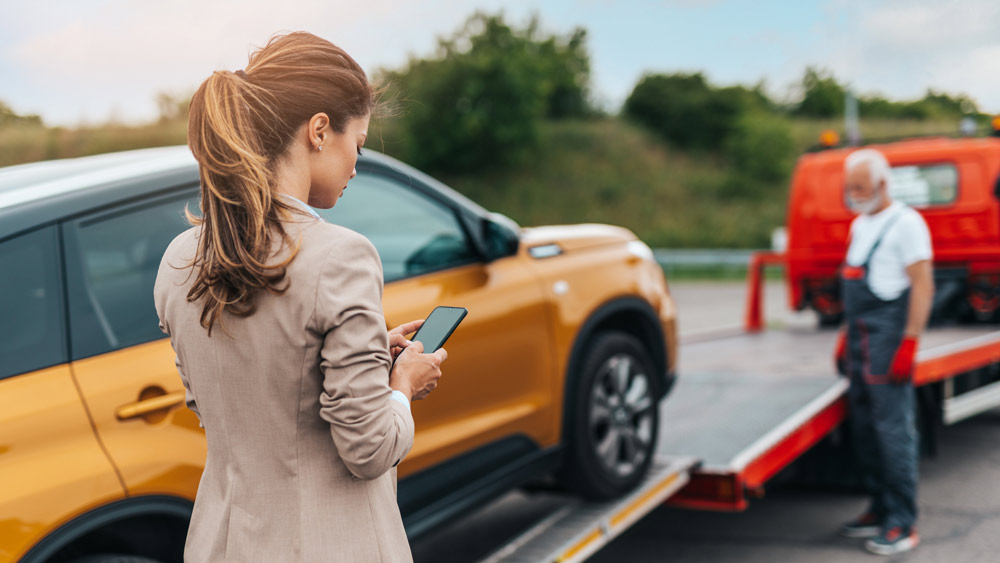
Similarly to when an ICE vehicle runs out of gas or experiences issues on the road, calling roadside assistance can help. Many automakers include roadside assistance with ownership. Insurance providers and organizations such as AAA can also assist by transporting your vehicle to a nearby charging station.
3. Get To the Nearest Charger
A flatbed tow truck from roadside assistance can safely transport the vehicle to the nearest compatible charging location. Once the vehicle is recharged, you can typically continue your trip without any long-term issues or damage to the battery.
How To Avoid Running Out of Battery
1. Know Your Car
Understanding your EV’s range is one of the best ways to avoid completely running out of battery. Over time, you’ll learn how factors such as weather, driving speed, elevation changes, and driving conditions affect your vehicle’s range. Many drivers follow the 80/20 rule of EV charging, which can help preserve battery health while ensuring enough charge to comfortably get where they need to go.
2. Plan Your Route
Know where chargers are located along your route. When traveling to new places or for long distances, look beforehand for places to charge along the way. Most EV navigation systems and mobile charging apps make it easy to locate available chargers along any route. For additional tips, check out our guide to planning an EV road trip. Make sure you’ll have adequate access to charging along your route.
3. Charge Where You Already Park
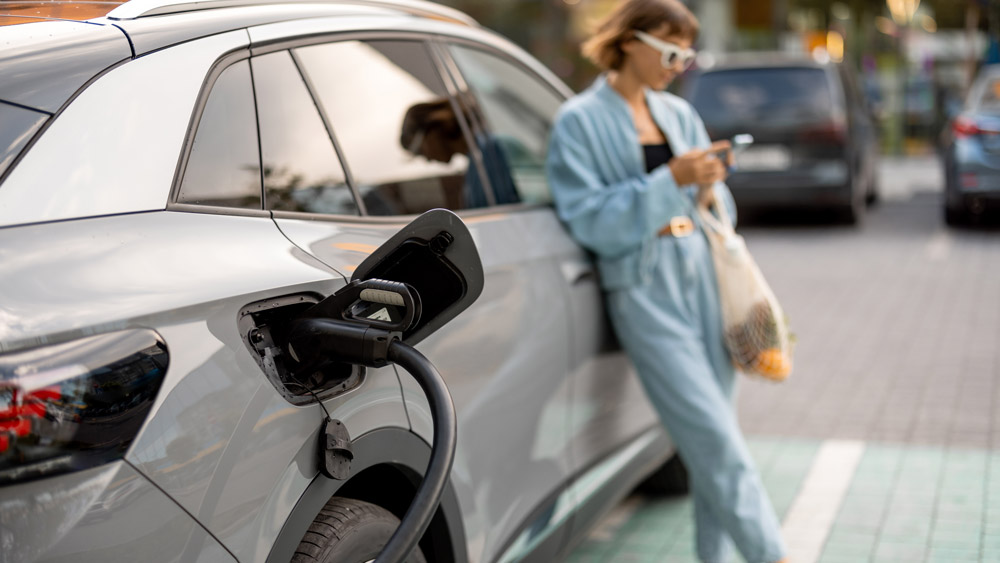
Plugging in when you’re parked for long periods is an easy way to incorporate charging into your everyday life and keep your car powered. Charging at home, at work, or anywhere in between helps keep your battery topped up without adding another task to your schedule. Many workplaces and multifamily communities already offer EV charging for employees and residents. If charging isn’t available where you live or work, reach out to our team of experts to get the process started.
Common Misconceptions About Running Out of Battery
Myth: Running out of charge can be costly.
While running out of charge can be wildly inconvenient, doing it once typically doesn’t lead to any costly repairs. Usually, once the vehicle reaches a charger and recharges, you’ll be able to get back on the road without an issue.
Myth: EVs frequently run out of battery.
For most EV drivers, complete battery depletion is rare. Many EVs provide multiple low-battery warnings and route-planning tools designed to help drivers find nearby chargers before reaching a critically low battery percentage. As EV charging infrastructure grows across the country, drivers have access to more charging locations than ever before. A study found that 64% of drivers in the U.S. live within 2 miles of an EV charger, and in California, 94% of people live within just 10 minutes of an EV charger.
Convenient Charging Helps Prevent Battery Depletion
The best way to avoid complete battery depletion is simple: expand access to reliable, affordable EV charging. At Chargie, we are helping to fill these charging gaps by bringing charging solutions to the places drivers need them most. Whether at home, work, or anywhere in between, access to charging stations helps drivers stay powered up and get where they need to go.
Want to install stations at your property? Contact our team today.