
What is an Electric Vehicle (EV)?
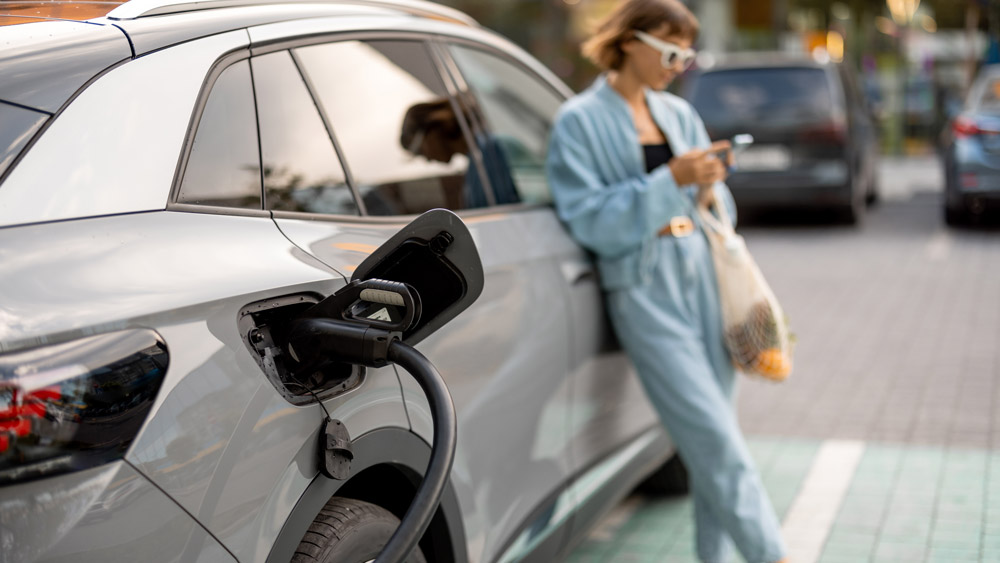
An electric vehicle (EV) is an umbrella term for vehicles powered by electricity. Some EVs run entirely on electricity. Others combine electric power with traditional gasoline energy. This variety can be confusing at first for anyone new to EVs, but Chargie is here to help. The range of EVs means there’s an option for every lifestyle; it’s a matter of determining which fits yours the best.
What all EVs have in common is that they use electricity in some way to improve efficiency, reduce emissions, or replace gasoline altogether. Let’s learn more about each type below.
What are the Different Types of EVs?
While all EVs use electricity in some way, they fall into four main categories. Each type balances electric power, gasoline use, range, and charging uniquely.
Battery Electric Vehicle (BEV)
Battery Electric Vehicles, or BEVs, run entirely on electricity and are the most common type of EV. They are fully electric and are powered by a rechargeable battery, producing zero exhaust emissions and qualifying them as zero-emission vehicles.
BEVs are recharged by simply plugging into a power source, such as a home charger or public charging station. DC Fast Chargers, or Level 3 chargers, can typically fill a BEV in 30 minutes to an hour. Level 2 chargers can fill up a vehicle overnight or while the driver works. With charging types for every lifestyle, BEVs are a dependable option for anyone looking to drive a zero-emission vehicle. BEVs’ ranges can span anywhere from 150 to 500 miles per charge, and advances in battery technology continue to push these ranges higher.
Plug-In Hybrid Vehicle (PHEV)
Plug-in Hybrid Electric Vehicles (PHEVs) combine an internal combustion engine with a rechargeable battery, making them powerable by both gasoline and electricity. They can drive short distances using only electricity and automatically switch to gasoline when the battery is depleted. They are an appealing option to drivers who want to use electricity for daily driving but aren’t ready to rely solely on charging just yet.
PHEVs’ batteries can be charged via an external power source, as with BEVs. Since PHEVs tend to have shorter electric ranges, Level 2 charging is often sufficient to fully charge their batteries, whereas Level 3 chargers are less necessary. Many PHEVs can operate in electric mode for 20-50 miles before switching to gasoline for longer trips. While PHEVs reduce fuel use, they still emit greenhouse gases, rendering them less appealing to drivers seeking a zero-emission vehicle.
Hybrid Electric Vehicle (HEV)
Hybrid Electric Vehicles (HEVs) combine a gasoline engine with an electric motor, but unlike PHEVs, they cannot be plugged in to charge. Instead, the battery is recharged automatically through regenerative braking and the gasoline engine. For drivers who don’t want to take time out of their day to charge but still want to drive electric, an HEV can be a great option. Like PHEVs, they still emit greenhouse gases and rely on gasoline, so they are not zero-emission vehicles, making them less suitable for drivers seeking a fully electric, zero-emission vehicle.
Fuel Cell Electric Vehicle (FCEV)
Fuel Cell Electric Vehicles (FCEVs) use a hydrogen fuel cell to generate electricity, emitting only water vapor and heat. FCEVs are currently the least common EV in the United States due to limited supporting infrastructure and vehicle availability. Their fast-refueling times, long ranges, and zero tailpipe emissions make them a strong option for those hoping to make the switch to a fully electric, clean vehicle in places where hydrogen refueling stations already exist.
Choosing the Right EV Type
Electric vehicles come in many shapes, ranges, and sizes, making it possible to find an option suitable for every lifestyle. With a better understanding of the different types of vehicles, charger types, and current driving needs and habits, drivers can better determine whether EV ownership is a practical choice.
Chargie
For many drivers, access to convenient, reliable charging is one of the biggest factors in determining whether driving an EV is possible. Chargie is working to make EV ownership accessible for everyone. With more than 22,000 chargers installed across 1,200 properties, our expanding network provides drivers with dependable, safe EV charging solutions in the places they need them most.
Check to see if Chargie is already installed at any places you frequent. If we aren’t, let us know, and we will work on getting stations installed there. Because at Chargie, we believe EV ownership should be a possibility for everybody.