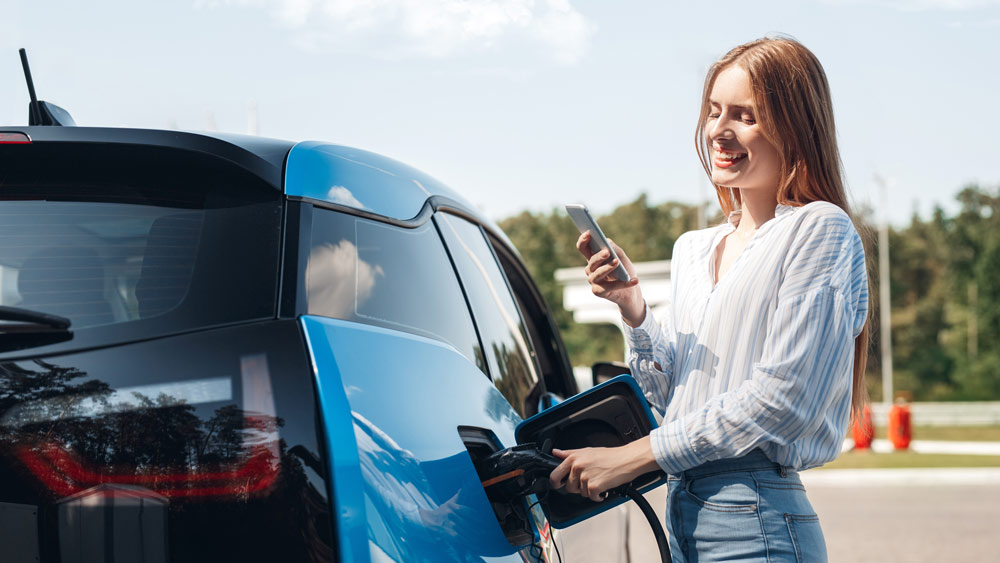
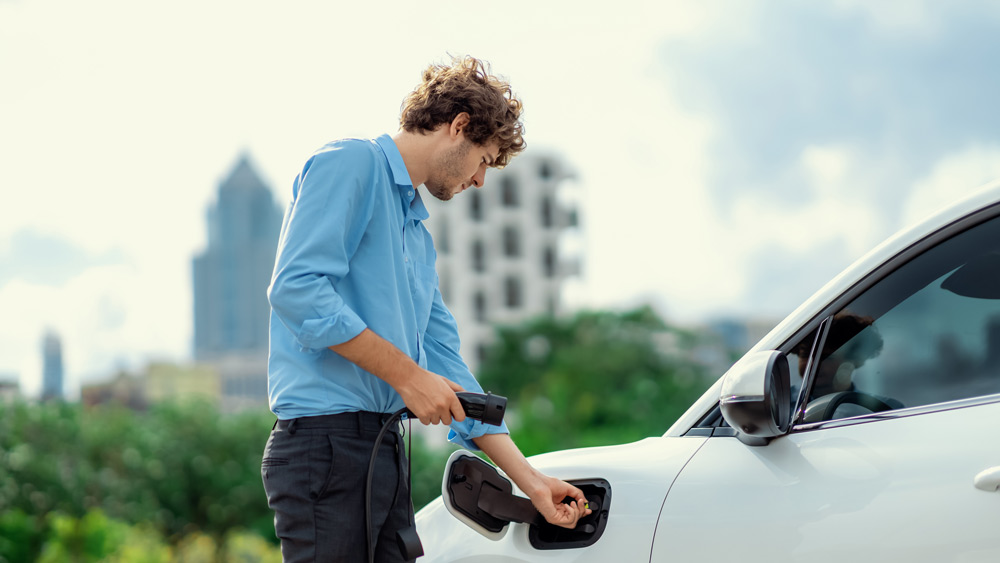
Senior Living and Assisted Living Communities Have Unique Charging Needs
With EV adoption rising across the country, property owners are capitalizing on the demand for EV charging to help strengthen their businesses, support their communities, and promote a more sustainable future. In markets like California, where EV adoption is especially strong, on-site charging is quickly becoming an expectation rather than a nice-to-have amenity. Senior living and assisted living communities serve a unique set of drivers, including residents, visitors, and employees. Given that each group has unique charging needs, these properties require EV charging solutions that are scalable, easy to manage, and designed around drivers’ actual habits.
For property owners, the right charging strategy and layout can support both immediate needs and long-term property readiness. A successful charging plan begins with a few key questions: who requires access, how long drivers typically park, and what chargers best support a property’s needs?
Station Accessibility
Station access will differ from site to site depending on the property’s needs and drivers’ habits. Some senior living and assisted living communities will need reserved stations for residents and staff, while others may only require public-facing stations serving visitors. At sites with both public and private stations, chargers can be separated into different access zones or installed in the same area. With Chargie, stations can be assigned to specific drivers, meaning even if the parking structure is open to the public, only the users assigned to the station through Chargie’s management platform can start a charge. This allows tenants and employees to reliably charge while they park, ensuring their chargers are always available when needed.
How to Determine the Right EV Charging Infrastructure
The optimal charger level for a property primarily depends on how long drivers stay parked. For many senior living and assisted living communities, Level 2 chargers suffice for visitors, tenants, and employees’ charging needs. These drivers are often parked for several hours at a time while working, sleeping, visiting, etc. However, incorporating a few Level 3 DC fast chargers can benefit short-term drivers visiting the property as well. Level 3 chargers can fully charge an electric vehicle in under an hour, making them a perfect solution for drivers looking for a quick fill-up while they visit. Most properties can benefit from a combination of Level 2 and Level 3 chargers.
Benefits of EV Charging for Senior Living Communities
EV adoption continues to rise nationwide, and charging is quickly becoming a key amenity for all property types. EV charging provides countless benefits for properties and their surrounding communities by supporting drivers’ needs and promoting a healthier environment. At senior living and assisted living communities, offering EV charging provides visitors, employees, and tenants with safe, reliable, and affordable charging solutions, helping democratize EV ownership. For local communities, greater EV adoption helps reduce noise and air pollution and supports a greener tomorrow. For property owners, EV charging helps future-proof their property and stay competitive.
How Chargie Can Help
Chargie helps owners design unique solutions that are best optimized for their property. Our trained team of experts will help create a personalized plan to best balance the needs and behaviors of drivers at your property type. If you’re ready to bring EV charging to your property, reach out to one of our EV charging experts today to get a customized plan for your property.